
Meet The Author
April 2026
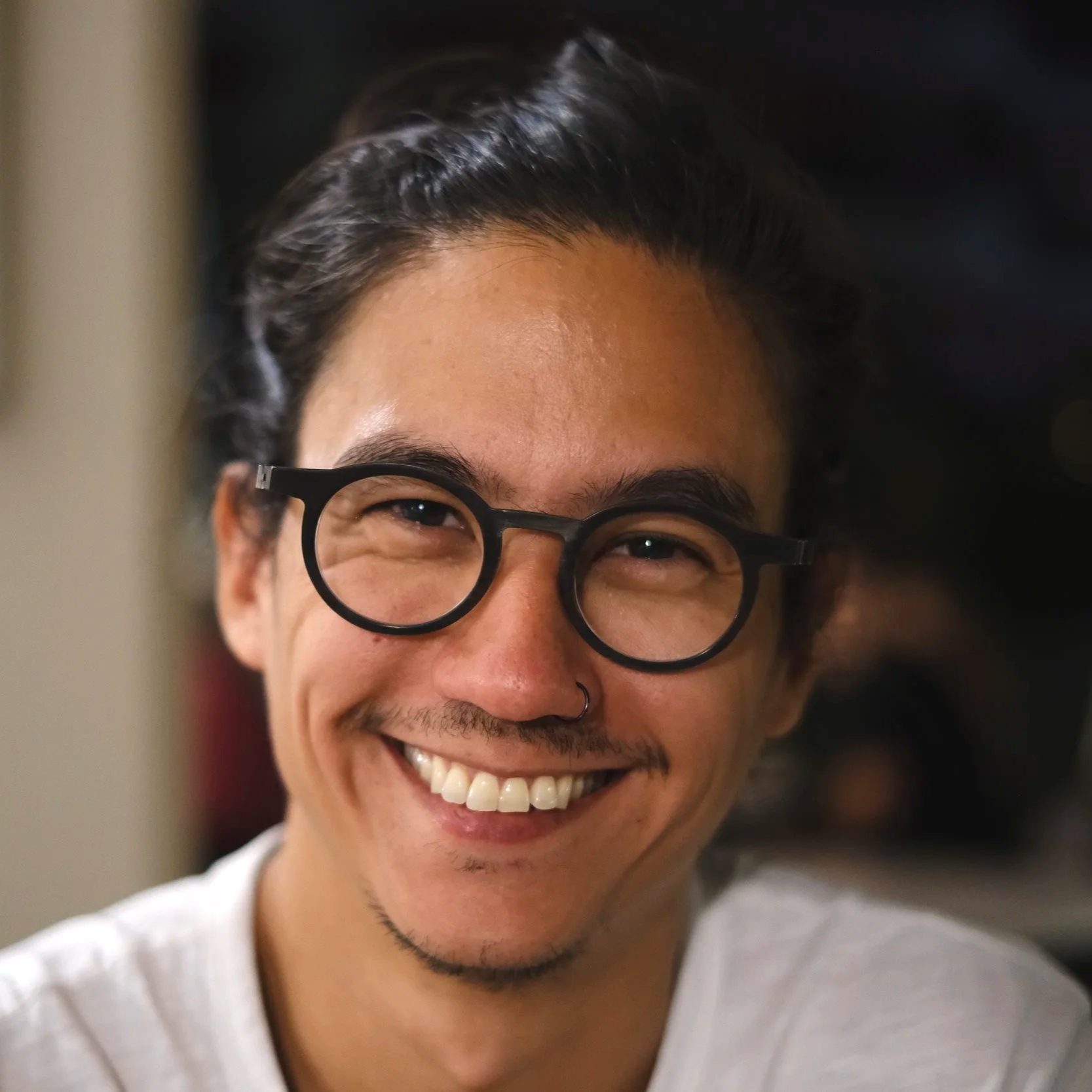
Adriano Wang-Leandro DVM, PhD, DipECVDI
Hi there! I am Adriano, a Costa Rican veterinary radiologist. I graduated as a vet from Universidad Nacional in Costa Rica, before starting my journey in Europe. I completed my PhD at the University of Veterinary Medicine Hannover, Germany, and my residency at the University of Zurich, Switzerland. After gaining some experience working in academia, I am now a co-founder and radiologist at Faraday Imaging and working as an independent consultant. In my free time, I enjoy photography and spending time with my dog Sancho.
Florian Graf, Matthias Dennler, Katrin Beckmann, Nico Mauri, Mariano Makara, Adriano Wang-Leandro
The Study Background
During my residency, I developed a deep interest in optimizing MRI protocols based on the suspected pathology, anatomical region scanned, and/or lesion localization. Then I realized that MRI sequence optimization for meningeal disease is an open field, with literature on specific protocols not abundant. In many cases, choosing the protocol or additional sequences still relies on the radiologist´s experience.
What is the primary knowledge gap your study aims to address?
The study aims to compare two common post-contrast T1-weighted (T1W) sequences used for patients with suspected meningeal disease: turbo spin-echo T1W with fat suppression and 3D volumetric gradient-echo. This comparison will hopefully provide the reader with useful, practical information to tailor their MRI protocols.
The Study Design
The study was designed as a Kappa study to assess inter- and intraobserver agreement, with data collected retrospectively.
141 patients were included → 120 otitis media–interna cases (46 dogs, 74 cats) and 21 controls 5 observers, two timepoints (at least 4 weeks apart), for a total of 1,410 evaluations. Inter- and intra-observer variability was assessed using Fleiss’ and weighted kappa statistics.
What are the main study results?
On average, the observers detected meningeal enhancement significantly more often in the FS-TSE-T1W than in the 3D-GRE-T1W sequence. Significance applied only to cats, but not to dogs. Inter- and intraobserver agreement in both sequences was substantial (kappa values of 0.701 and 0.735).
Were there any unexpected results or challenges during your research?
Not unexpected, but we had an important challenge to face while designing this study: how to evaluate the performance of an imaging modality without a gold standard. As we know from the literature, CSF analysis is an unreliable marker in cases of meningitis secondary to otitis media interna, and histopathological confirmation is rarely obtained in these patients, as they tend to recover under treatment. That is why we decided to focus our approach on the agreement or disagreement among radiologists, rather than on a definitive confirmation of meningitis.
Takeaways from this study
The main take-home message from the study is: both sequences perform well for the experienced eye, but investing some extra minutes running a post-contrast spin-echo fat-saturated T1W sequence might make the difference in detecting a subtle meningitis in cats affected by intracranial extension of otitis media-interna.
What future directions would you like to explore based on this study?
I would love to explore further sequences used for meningeal enhancement in human medicine, some of them rarely used in veterinary medicine, such as post contrast T2W-FLAIR or Black-Blood sequences.